How to Keep Your Drains Clean and Prevent Future Blockages
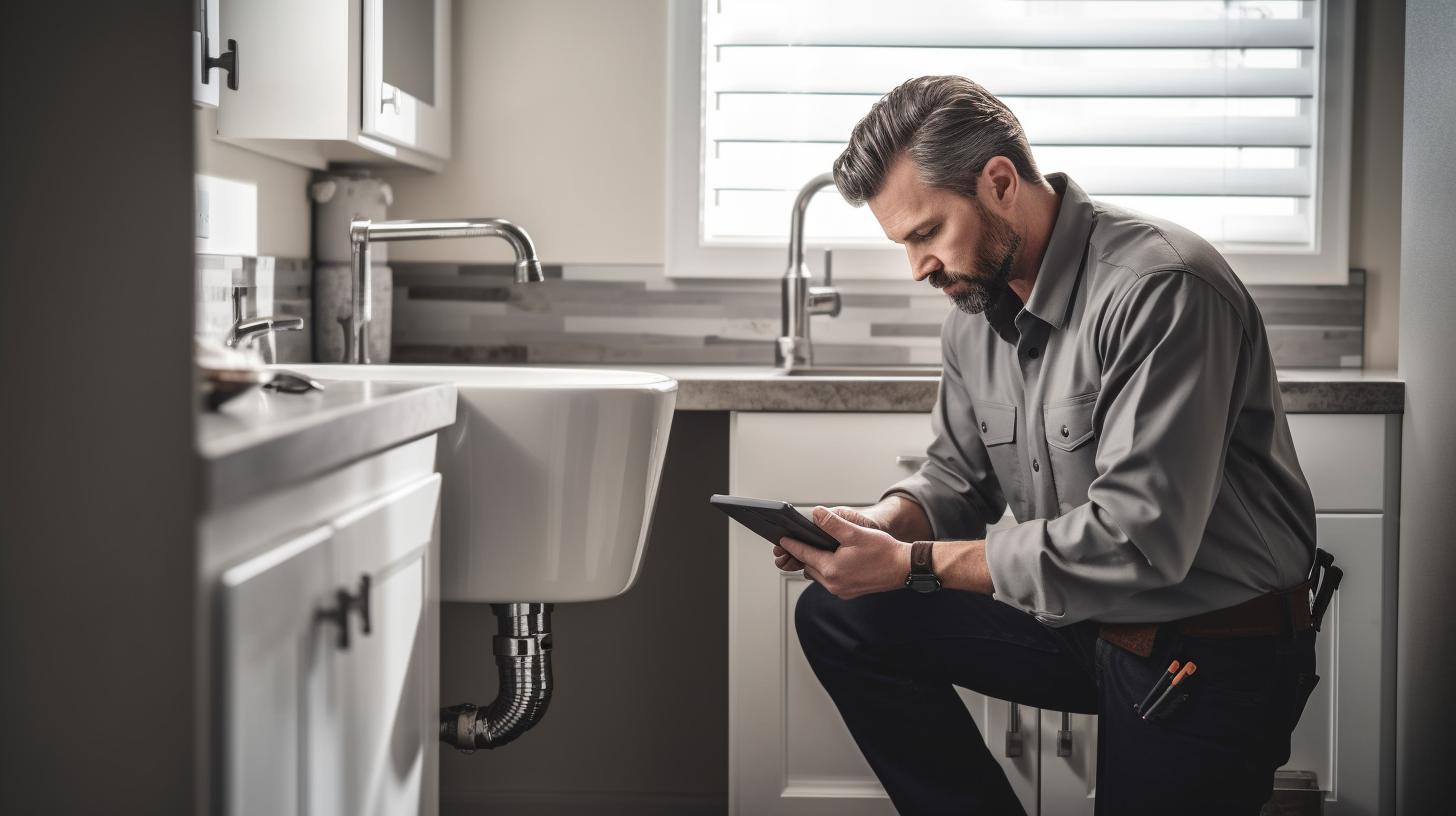
Are you tired of dealing with clogged drains at home or in the office? Do you want to know ways to prevent further blockages and maintain the cleanliness of your drains? Here, we’ll talk about some tricks and tips to ensure clean drains. We will also provide reasons the importance of hiring professionals from Perth Blocked Drains Plumbers for the job.
Key Takeaways
- Common causes of blockages in drains include hair and soap scum buildup, food waste adhering to grease buildup, toiletries flushed down the toilet such as baby wipes products for feminine hygiene, cotton swabs or floss and tree roots extending in pipes outside the house.
- Utilize a strainer or hair catcher on the drain’s opening to stop hair or food waste from leaking down the drain.
- Dispose of food waste properly by scraping food scraps into an organic compost bin or a trash bag instead of rinsing them in the drain.
- Perform regularly scheduled maintenance cleansing by pouring boiling hot water slowly down your shower, sink or tub drains, at least once every week, when they’re clear.
- Use equal parts baking soda and vinegar then put it in the drain opening for an effective method of removing the grease blockages that build up on sewer pipe walls that cause obstructions. After 30 minutes, pour hot water into the drain.
- Contact Perth Blocked Drains Plumbers for help with regular maintenance of sewer systems, septic tanks or pipes outside of the home to ensure they’re working correctly and efficiently.
- Don’t use drain cleaners with chemicals since they could damage your pipes over time and endanger the environment.
- Avoid flushing non-decomposable items like cotton swabs, paper towels dental floss, feminine hygiene products down your toilet since this can result in expensive repairs to the sewers and septic tanks.
- Pay attention to unusual smells emanating from drains. Also, watch for slow drainage, gurgling sounds or other unusual activities that could indicate a clogged drain that requires immediate attention.
Common Causes of Drain Blockages
Before we begin to discuss the dos and don’ts, it’s essential to understand the reasons behind drain blockages in the first place. Here are some of the most common causes:
- The buildup of soap and hair in the bathroom drains
- Food waste clings to grease buildup in kitchen drains
- Toiletries that are flushed down the drain such as baby wipes, toothpaste, feminine hygiene supplies or cotton swabs
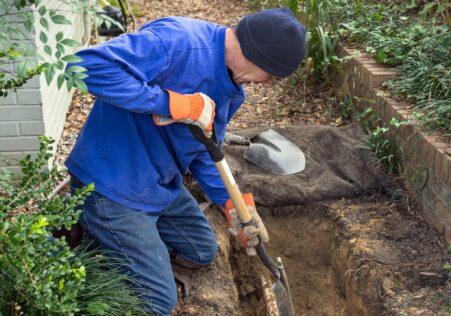
- Tree roots developing into pipes in the exterior of the house
These causes can result in serious damage in the future if they are ignored. However, there are methods to address each one and ensure that your drains are flowing effortlessly.
Dos
1. Make use of a strainer or hair catcher
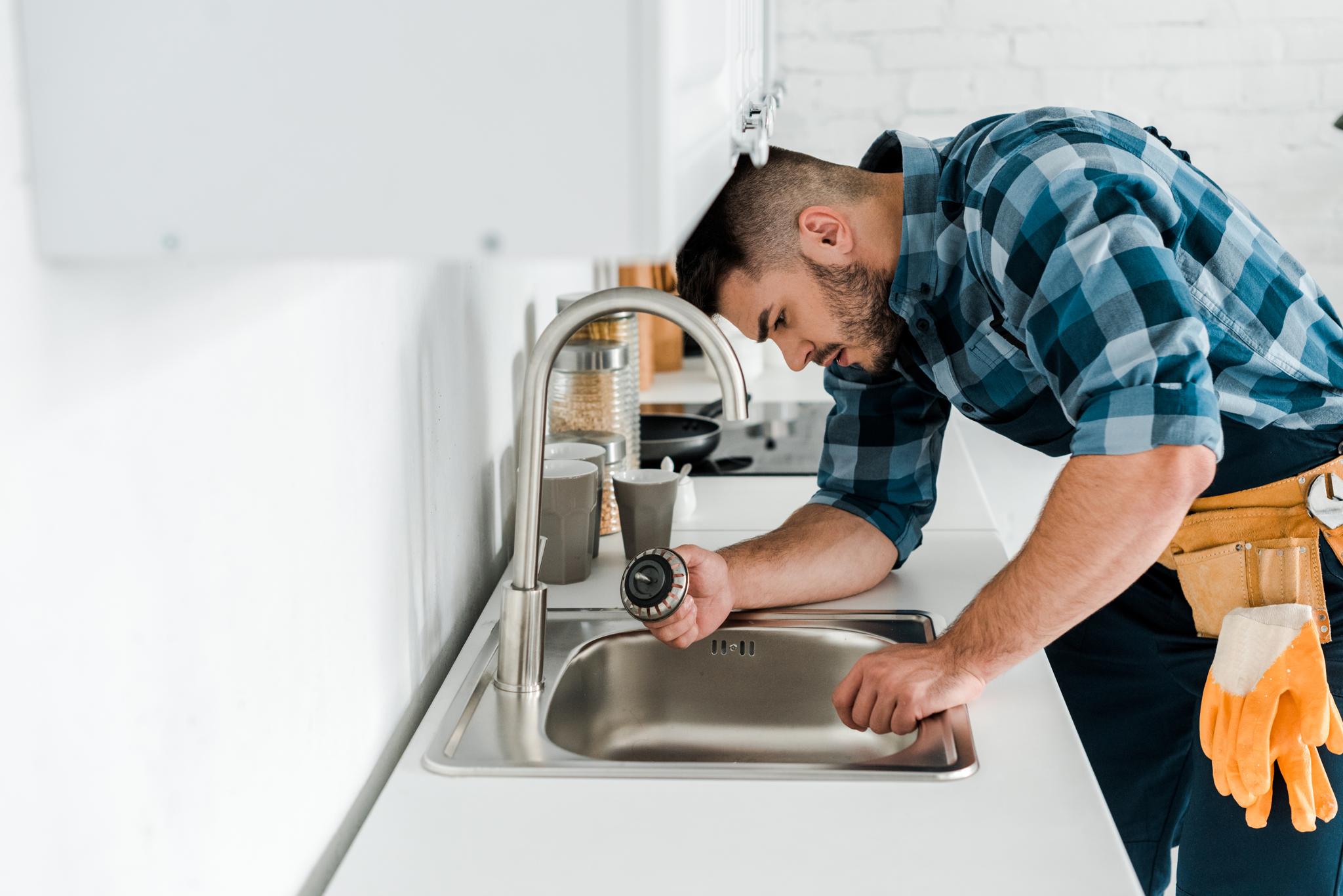
A hair strainer or hair catcher can be placed over the drain’s opening. It prevents food waste or hair from draining down the toilet. Make sure to clean the drains regularly.
2. Dispose of your kitchen waste
Discard food debris into the compost bin or garbage bag, rather than flushing them into the drain. Rinse dishes using hot water while washing dishes.
3. Do regular Maintenance cleaning
Each week, run boiling water in a slow stream down your drain, shower or tub drain openings when they’re fairly clear. This will stop substance accumulation from blocking the drain altogether.
4. Make use of baking soda and vinegar.
Mix equal amounts of baking soda with vinegar (usually half a cup each) then slowly put it into the drain opening to create an effective method of removing the grease blockages that build up on the sewer pipe’s walls which cause blockages. It will take 30 minutes before you pour hot water down the drain.
5. Get a professional to help you.
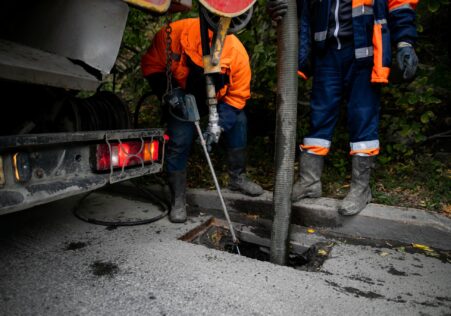
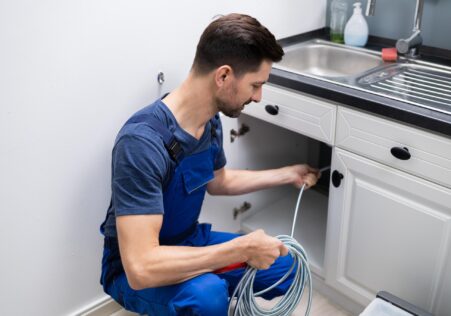
Hire a professional plumber like Perth Blocked Drains Plumbers to perform regular maintenance on septic tanks, sewer lines or pipes outside the home to ensure they’re operating properly and efficiently.
Don’ts
1. Do not use drain cleaners that contain chemicals.
Chemical drain cleaners can cause damage to your pipes over time. They can even harm the environment. They can also pose a risk when used in conjunction with other cleaning products.
2. Do not flush items that aren’t decomposable down the toilet
Beware of flushing non-decomposable products down your toilet like cotton swabs, paper towels or dental floss, as well as feminine hygiene products because they will not be able to break down in the natural way and instead cause expensive repairs in sewers or the septic tanks.
3. Don’t overlook warnings
If you experience unusual scents coming from drains low drainage, gurgling sounds or other unusual activity this could be a sign of a blocked drain that requires immediate attention.
| Do’s | Don’ts |
|---|---|
| Use a strainer or hair catcher | Use chemical drain cleaners |
| Properly dispose of kitchen waste | Flush non-decomposable items down the toilet |
| Perform regular maintenance cleaning | Ignore warning signs |
| Use baking soda and vinegar | |
| Call a professional like Perth Blocked Drains Plumbers for help |
Frequently Asked Question
Do I need to scrub my drains?
It is recommended that you take care to clean your drains every six months to a full year. If you observe slow drainage or smelly odors emanating from your pipes, you need to act as soon as possible.
Which are the best DIY methods for cleaning my drains?
There are several ways to fix your plumbing at home including pouring boiling water down your drain, using vinegar and baking soda or using a plunger. However, be cautious with what materials and substances you put down your drain and stay clear of anything that could cause damage or harm to your plumbing system.
Can I prevent future blockages of my drains?
Yes, regular cleaning of the plumbing could prevent blockages in the future. Beware of flushing foreign objects down the drain, regularly clean hair out of shower drains, and use a sink strainer to catch food scraps prior to letting them go into the drain.
When should I contact the services of a licensed plumber?
When you’ve tried DIY methods, but you still have slow-moving drains or blockages It is advised to contact an expert plumber for evaluation as there may be issues underlying that need to be resolved.
My drains continue to get clogged, could this be the sign of a larger problem?
A constant clog in your drains can signal more serious issues, such as tree roots infiltrating pipes or collapsed pipes in the plumbing system. In these cases, it’s best to contact an experienced plumber such as Perth Blocked Drains Plumbers who can assess the issue and suggest the best way to proceed.
In conclusion, maintaining healthy drains is a must for any workplace or home. Use these guidelines immediately to prevent blockages from occurring and ensure that your drains are flowing freely. Be aware that professional assistance is just one phone call or a click away. For more information about our plumbing services, including clearing drainage pipes, CCTV drain inspection, pipe relining, and general plumbing maintenance, call Perth Blocked Drains Plumbers at # ###-###-#### or visit our website to find out more information. [(click here)] (https: //www. example.com/)
Additional Information
- Don't Ignore The Symptoms of a Blocked Drain
- Resolve Your Sewer Issues With No Spending Much: Pipe Relining
- DIY Drain Cleaning: How to Safely Tackle Clogged Drains
- Unclog Your Drains: Speedy Tips to Try Out Right Now
- Try out these proven solutions for clearing your drain
- When Should You Call A Professional To Clear Your Blocked Drain?
- The Ultimate Guide to Choosing Between Pipe Relining and Pipe Replacement
- Unblock Your Drains with This Amazing DIY Guide That's Simple to Use
- Need help with your blocked drain? Find the perfect plumber
- The Importance of Professional Drain Cleaning for Your Family's Health and Safety